
Can You Sell a House With Mold in Tennessee?
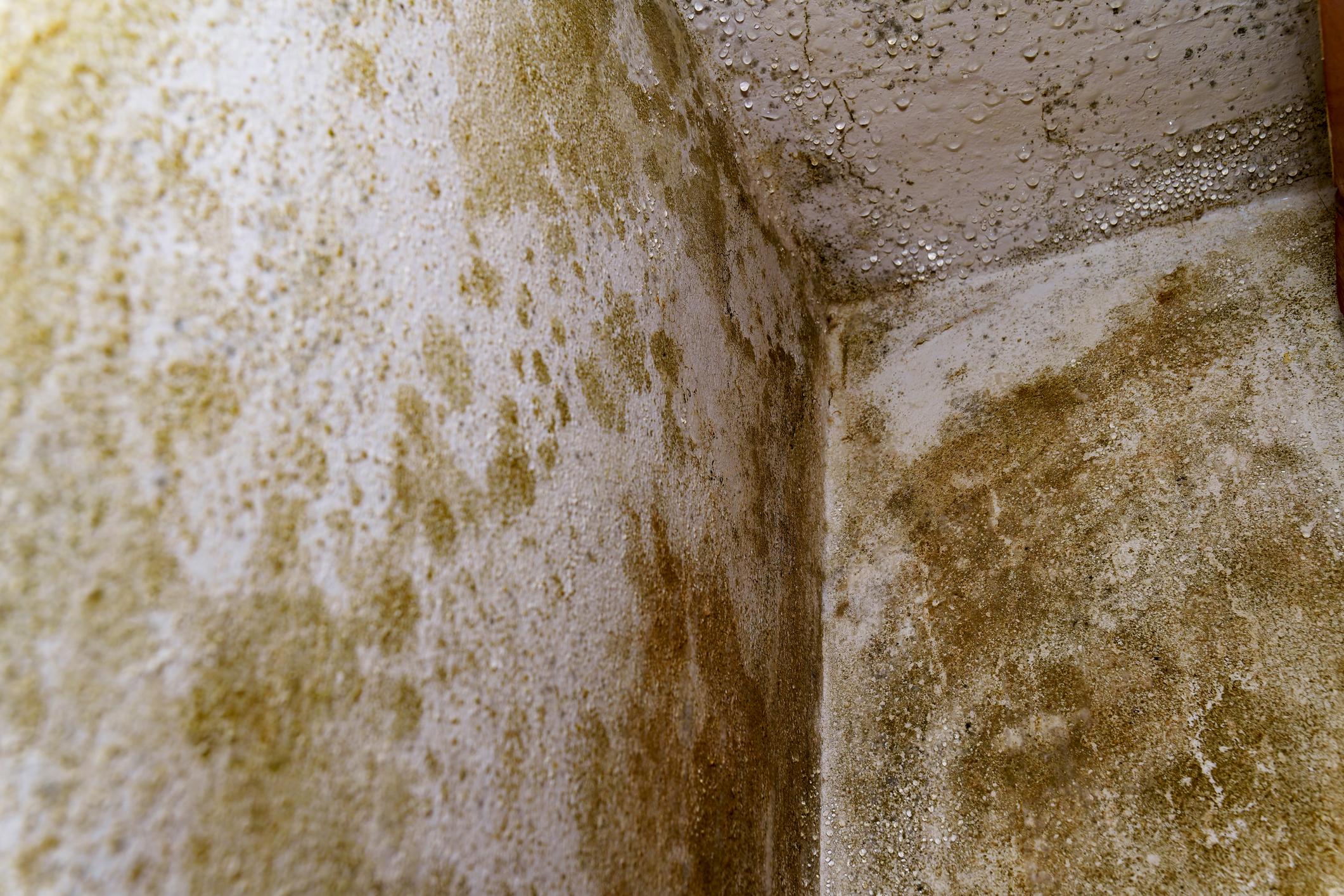
Many homeowners worry they cannot sell a house with mold in Tennessee, but the truth is properties with mold are sold every year. If you need to sell a house with mold in Tennessee, you may be wondering whether the property can still be sold or if expensive remediation is required first.
Discovering mold in your home can feel overwhelming, especially if you are planning to sell your property. Many homeowners worry that mold will make their house impossible to sell or that they will be forced to spend thousands of dollars on repairs before listing it.
The good news is that you can sell a house with mold in Tennessee, even if the problem hasn’t been fully remediated. The key is understanding your options and choosing the path that makes the most financial sense for your situation.
In this guide, we’ll walk through how mold affects a home sale, what Tennessee law requires, and the different ways homeowners handle selling a property with mold problems.
Can You Sell a House With Mold in Tennessee?
Yes, you can legally sell a house with mold in Tennessee.
Mold itself does not prevent a home from being sold. However, it can make the process more complicated depending on the severity of the issue and the type of buyer involved.
Traditional buyers who rely on financing often hesitate when mold is discovered during an inspection. Lenders sometimes require remediation before approving a mortgage, which can delay or derail a sale.
That doesn’t mean the house cannot be sold. It simply means the pool of buyers may be smaller, especially if the mold problem is extensive.
Do You Have to Fix Mold Before Selling?
In many cases, homeowners assume they must fully remove mold before selling. While remediation can make a home easier to sell on the open market, it is not always required.
Your options typically include:
1. Repair the Mold Damage Before Listing
Some homeowners choose to hire a mold remediation company to remove the issue before putting the home on the market. This can help the property appeal to traditional buyers, but it may cost several thousand dollars depending on the severity of the damage.
2. Sell the Property As-Is
Another option is to sell the home as-is without making repairs. Many real estate investors specialize in buying houses with issues like mold, water damage, or structural concerns.
Selling as-is can eliminate the need for repairs, inspections, and lengthy negotiations.
3. Offer a Credit to the Buyer
Sometimes sellers negotiate with buyers by offering a credit at closing to cover the cost of remediation. This approach works when the mold issue is minor and both parties agree on the estimated repair cost.
Tennessee Mold Disclosure Rules
When selling a house in Tennessee, homeowners are required to disclose known material defects through the Tennessee Residential Property Condition Disclosure form.
If you are aware of mold in the home, it must be disclosed to potential buyers. Failing to disclose known issues could lead to legal problems later.
Being transparent about the condition of the property allows buyers to make informed decisions and protects the seller from future liability.
Many homes are sold every year with disclosed issues such as mold, roof leaks, foundation cracks, and other defects.
Why Mold Often Appears in Tennessee Homes
Mold is relatively common in Tennessee due to the region’s humidity and seasonal weather patterns.
Common causes include:
-
Basement moisture
-
Crawlspace humidity
-
Roof leaks
-
Plumbing leaks
-
Poor ventilation
-
Flooding or water damage
Sometimes mold develops slowly over time and homeowners may not realize it is present until an inspection or renovation uncovers it.
Challenges of Listing a House With Mold
While selling a house with mold is possible, it can create challenges during the traditional listing process.
Some of the most common issues include:
Buyer Financing Problems
Mortgage lenders often require homes to meet certain condition standards. Significant mold issues may cause a lender to deny financing until repairs are completed.
Inspection Concerns
Even if a buyer makes an offer, the home inspection could uncover mold issues that lead to price reductions, repair demands, or canceled contracts.
Longer Time on Market
Homes with known problems sometimes sit on the market longer because many buyers are looking for move-in ready properties.
For homeowners who want a faster and simpler sale, selling the property as-is can sometimes be the most practical option.
Selling a House With Mold As-Is
Selling a house as-is means the homeowner is not making repairs before the sale. The buyer understands the condition of the property and purchases it with those issues in mind.
Many real estate investors specifically look for homes with problems like mold, water damage, or outdated interiors because they plan to renovate the property after purchasing it.
For sellers, this type of sale can offer several advantages:
-
No repair costs
-
No cleaning or preparation
-
Faster closing timeline
-
Fewer inspection surprises
This option can be especially helpful if the homeowner wants to move quickly or does not want to invest additional money into the property.
We Buy Houses As-Is in Middle Tennessee
At Rogers Investment Properties, we work with homeowners across Middle Tennessee who need to sell houses in difficult situations. That includes properties with mold, water damage, foundation issues, or other repair needs.
If you need to sell a house with mold and don’t want to deal with the stress of repairs or traditional listings, we may be able to help.
We regularly purchase homes in areas such as:
Whether your property has minor moisture issues or significant mold damage, we can take a look and discuss your options.
There’s no obligation—just a straightforward conversation about what might work best for your situation.