
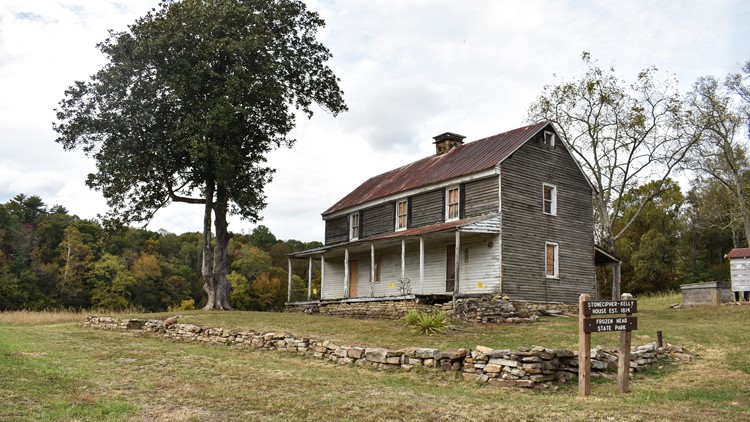
A vacant house can feel like a temporary situation, but the longer a property sits empty, the more expensive and risky it becomes. Many homeowners underestimate how quickly costs add up when a house is no longer occupied.
Whether the home became vacant due to a move, inheritance, or tenant turnover, understanding the financial impact of waiting is critical.
The Hidden Costs of a Vacant Property
Once a house is vacant, expenses don’t stop — they often increase. Common ongoing costs include:
-
Mortgage payments
-
Property taxes and insurance
-
Utilities to prevent damage
-
Lawn care and exterior maintenance
Vacant homes are also more vulnerable to vandalism, theft, and weather-related issues, all of which can create unexpected repair bills.
Insurance and Liability Risks
Many insurance policies have restrictions on vacant properties. If a house sits empty too long, coverage may be reduced or denied altogether. That can leave homeowners exposed to major financial risk if something goes wrong.
This is one reason sellers often look for faster solutions instead of letting a vacant house linger.
Why Traditional Listings Can Be Challenging
Selling a vacant house through a traditional listing isn’t always easy. Buyers may view empty homes as neglected, and inspections often reveal issues that weren’t obvious before the property was vacated.
In contrast, working with we buy houses in Smyrna or sell a house fast in Antioch allows homeowners to sell as-is without worrying about cosmetic impressions or extended timelines.
A Faster, Cleaner Exit
For many sellers, the smartest move is reducing exposure rather than waiting for the perfect offer. Selling a vacant house for cash can eliminate ongoing expenses and provide certainty — especially when the property no longer serves a purpose.